Unequal access
Quality English education, teacher training, and international exchange remain concentrated where privilege already concentrates.
Our Approach
English as a bridge — not a destination
We are a nonprofit that uses English to connect students and teachers across borders — so historically excluded communities can join, shape, and lead global conversations.
The Gap
Young people in low-income and non–English-speaking countries are ready to lead — yet unequal access keeps them out of global citizenship pathways.
Quality English education, teacher training, and international exchange remain concentrated where privilege already concentrates.
Without a shared bridge for collaboration, confidence stalls — and young people are left out of rooms where solutions are shaped.
Students from the Global South have been historically marginalized from international experiences and global discussions.
Without teachers prepared as Global Citizenship educators, classroom change stays temporary instead of compounding across cohorts.
Why this matters
We cannot solve climate change, poverty, pandemics, or conflict without cooperation across borders — and we cannot leave behind those historically left out of those conversations.
Foreign language education enables intercultural contact. English is the most commonly studied foreign language — about 1.5 billion learners — making it the most practical bridge for collaboration in a connected world.
Evidence: Stronger English skills are associated with 30–50% higher average salaries; countries with higher English proficiency also report stronger economic performance (EF EPI, 2023).
Young people in the Global South and non–English-speaking countries have been historically marginalized from international experiences. We prioritize giving them space to become active changemakers — locally and globally.
Evidence: Our network already spans 27 countries, with programs designed for access, belonging, and free participation.
Training teachers as Global Citizenship educators creates a lasting multiplier effect — reaching more students over time, including far beyond our direct programs.
Evidence: Teacher capacity building is Input #1 in our Theory of Change because classroom practice compounds cohort after cohort.
Theory of Change
When teachers gain Global Citizenship tools and students practice English as a shared bridge, classrooms and communities change — and the effect multiplies beyond each cohort.
Young people in low-income and non–English-speaking countries lack pathways to quality English learning, teacher development, and international exchange.
A fellowship for English teachers to develop Global Citizenship competencies and bring them into classrooms.
Free exchanges that connect young people worldwide — especially from the Global South and non–English-speaking countries.
Complete a Global Citizenship Education fellowship and design at least one classroom activity focused on global topics.
Join English-based virtual exchanges and present a project addressing a global issue identified in their local context.
A generation of global citizens equipped to collaborate across borders and drive collective action for a fair, peaceful, and sustainable world.
Methodology
Four pedagogical pillars sit under every input and activity — turning sessions into lasting outcomes.
Participants exchange knowledge and perspectives while growing critical thinking, empathy, and teamwork.
Strengthens: short-term peer networks and medium-term intercultural skills.
Hands-on activities and real conversations turn language into confidence, creativity, and action.
Strengthens: outputs (projects & classroom activities) and civic readiness.
We judge communication by intelligibility, confidence, and connection — not native-like perfection.
Strengthens: English confidence and inclusive participation across accents.
Local challenges connect to global goals. Learners discover they can spark change where they are.
Strengthens: medium- and long-term changemaker outcomes.
Evidence
We separate reach from results — so numbers never pretend to be outcomes.
Reach
Scale of who we have connected so far — classrooms, friendships, and new possibilities.
Outputs
Outcomes
Impact
Participants describe English for All as a place to speak, belong, and see the world differently — the early signal of a generation collaborating for a fairer future.
Explore the full impact page →Global Goals
Each goal maps to a stage of our Theory of Change — from access to agency.
Select a goal to see how it connects to our causal chain — including Target 4.7 on education for global citizenship.
Programs as mechanisms
Programs are not standalone products. They are the operating system of the model — inputs and activities that produce outputs and outcomes.
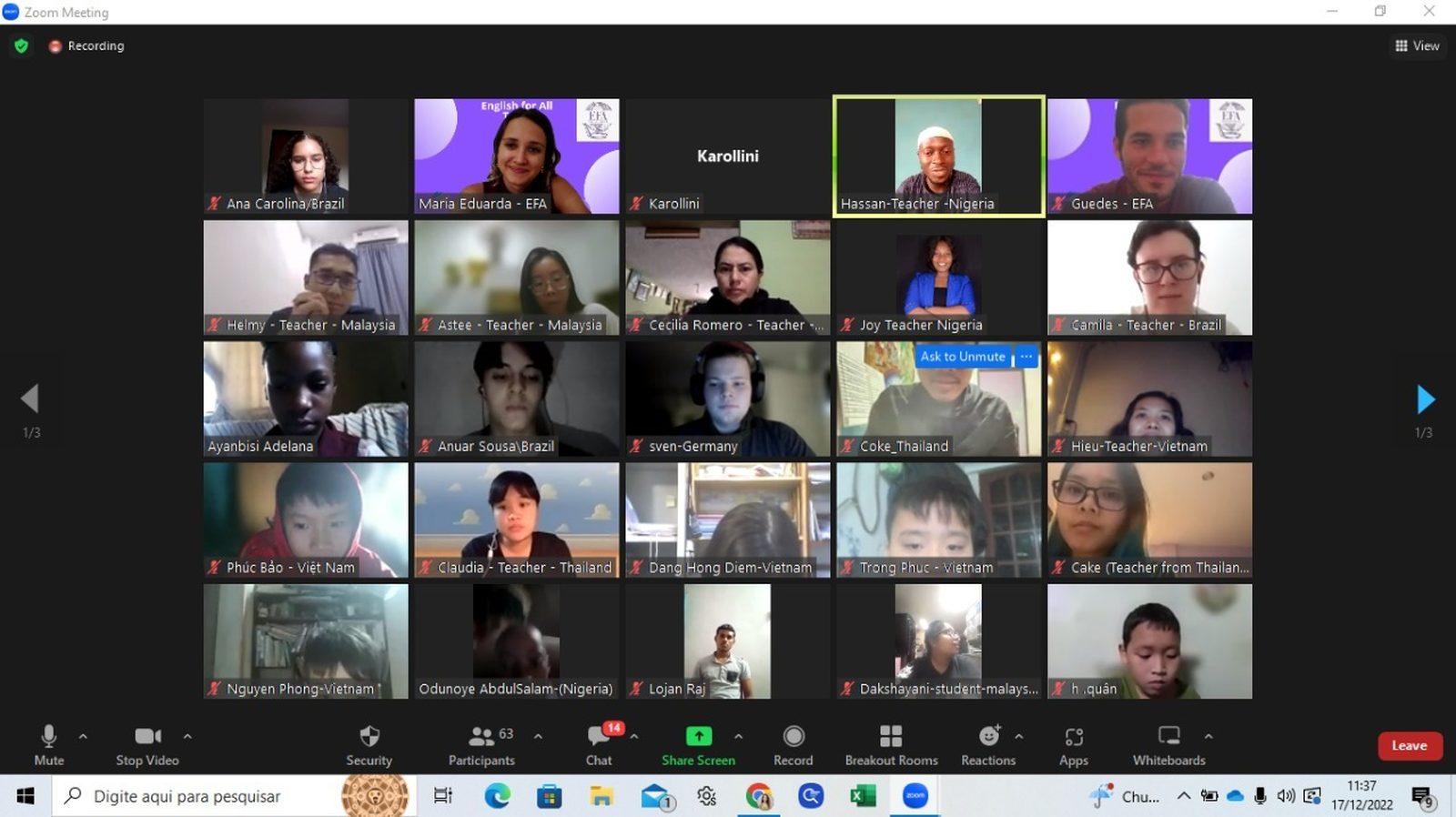
Fellowship that builds Global Citizenship pedagogy and multiplies impact through classrooms.
Explore teachers →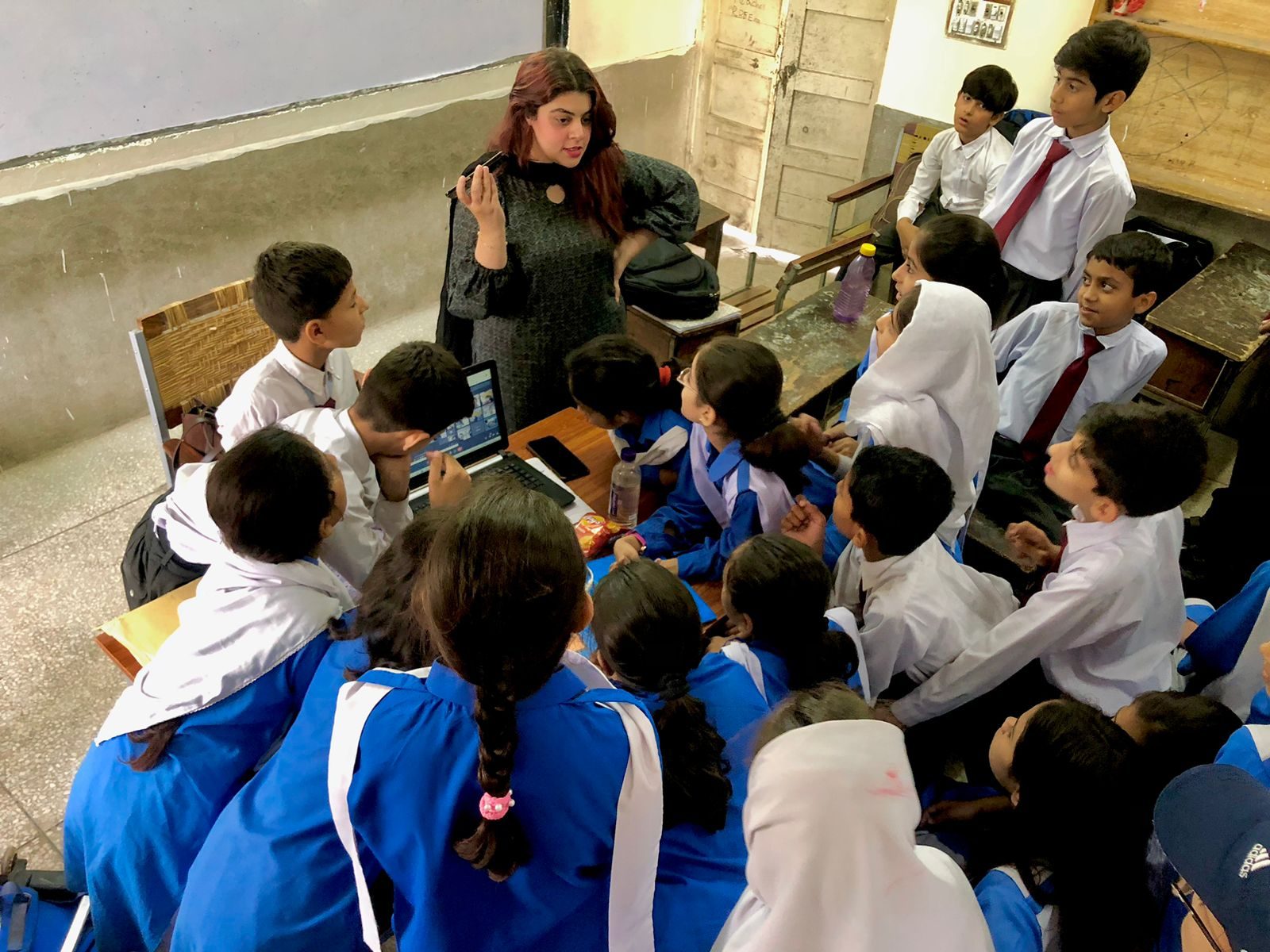
Free five-week virtual exchange: English as a bridge, intercultural teamwork, and a local-to-global capstone.
Explore students →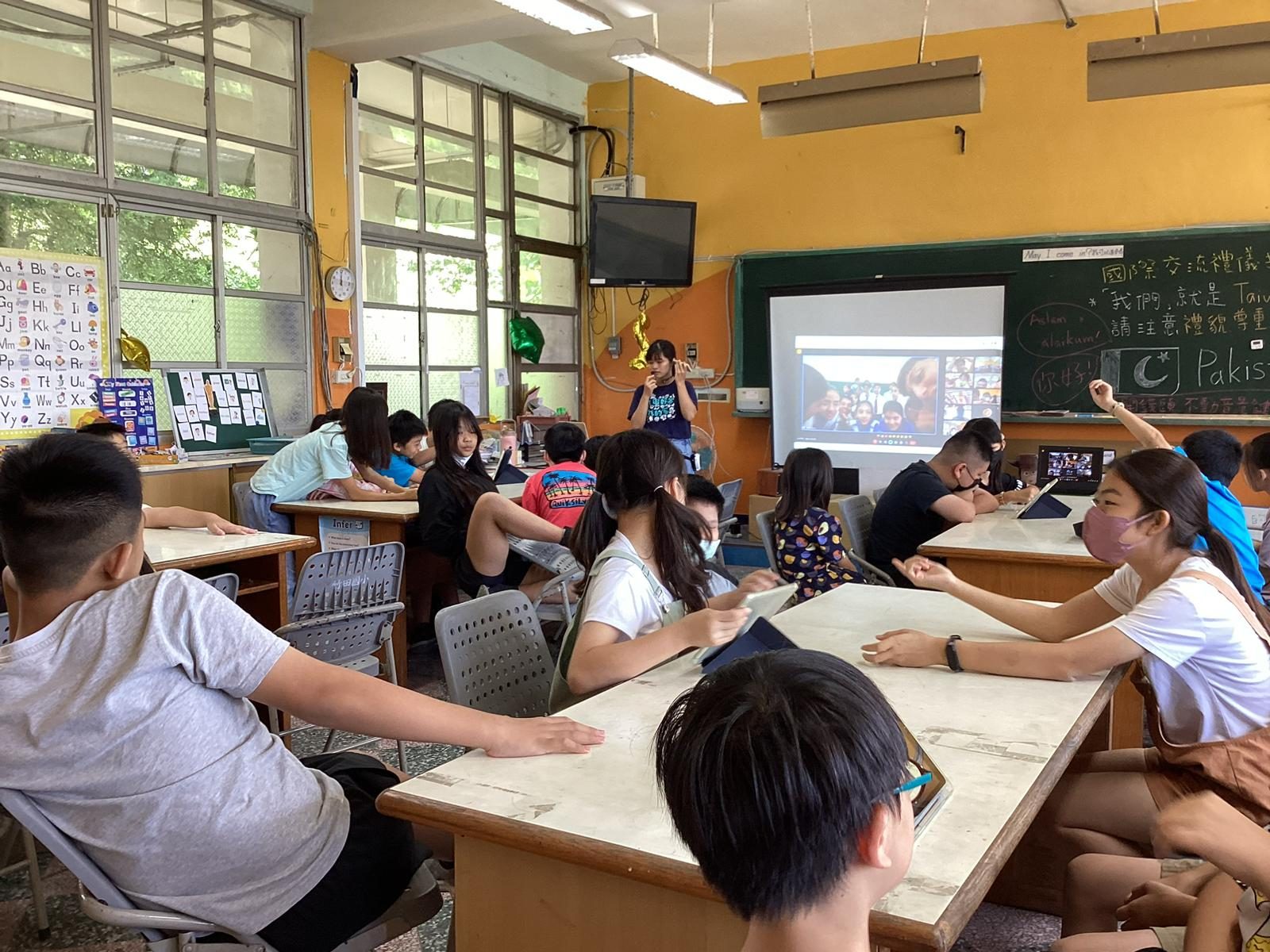
Four weeks of local climate action with global peers — turning outcomes into community practice.
Explore hackathon →Take part
After the logic is clear, choose the path that matches your role.
Participate
Students, teachers, and teams enter the Theory of Change as participants — practicing English as a bridge and building global citizenship skills.
Explore programsSupport
Donors and institutions sustain free access, teacher fellowships, and exchanges that keep Global South voices in the conversation.
Join a pathway